The Science of Hydration: Caring for Raw Hair Extensions
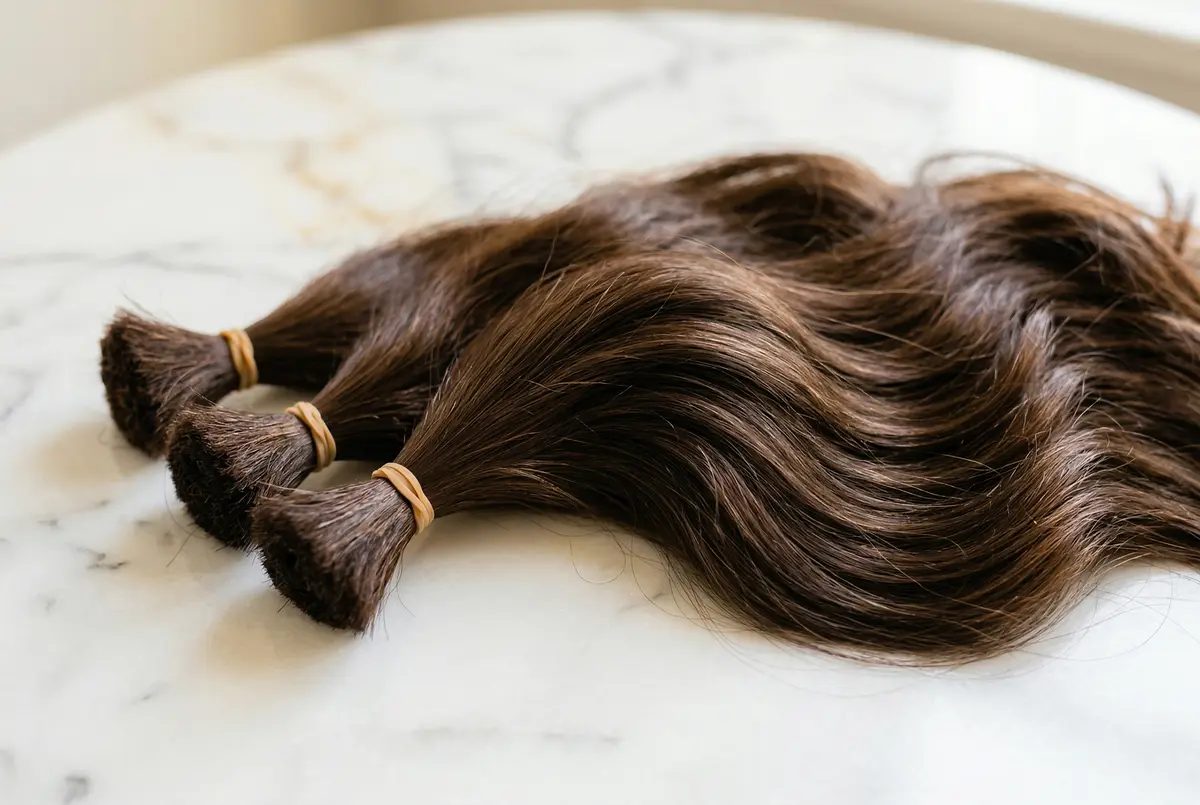
Investing in premium raw bulk hair extensions mandates a meticulous, scientifically grounded maintenance regimen. Unlike biological hair growing from the scalp, hair extensions no longer receive natural lipid hydration (sebum) from the sebaceous glands. Consequently, the preservation of their tactile softness, vibrant luminosity, and structural integrity relies entirely on an external protocol focused on intense, silicone-free moisturization and aggressive friction reduction.
The Cleansing Protocol
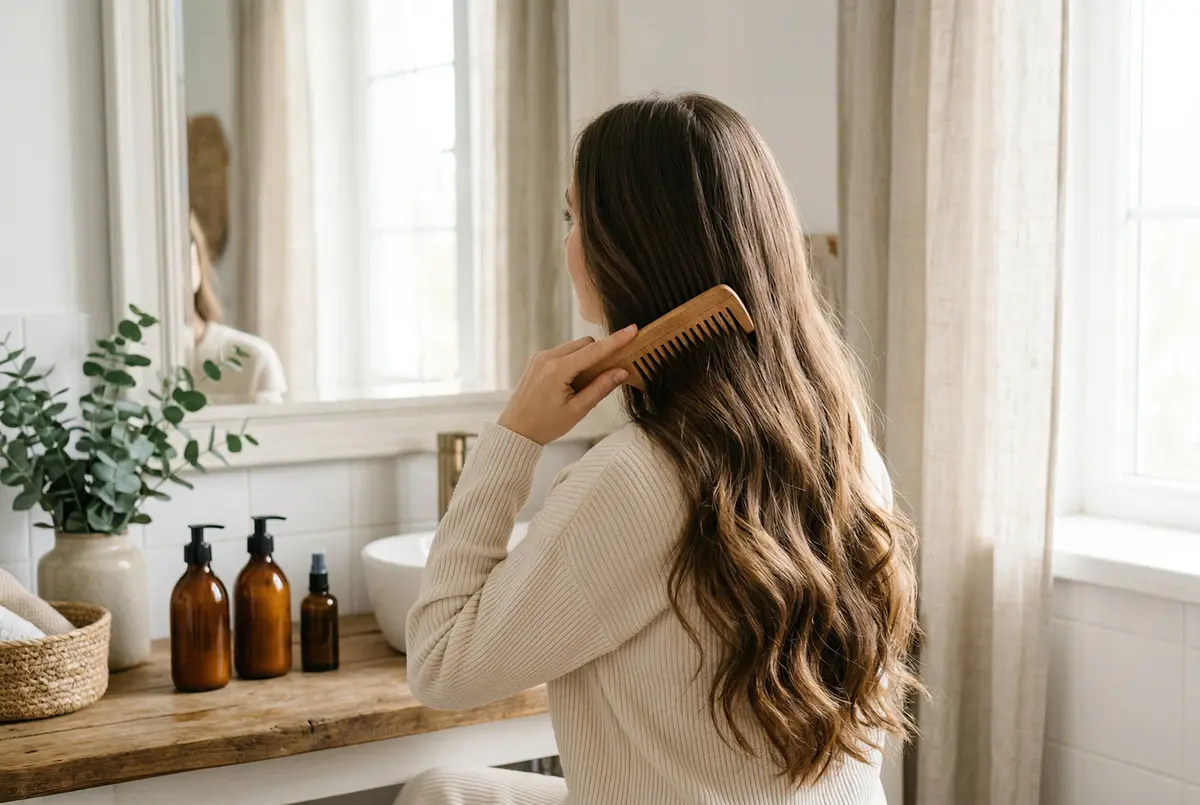
The cleansing protocol demands strict adherence to specific parameters. Raw hair does not necessitate daily washing; in fact, over-cleansing will inevitably strip the cuticle layer and induce profound dehydration. A frequency of bi-weekly washing is generally optimal, scaling to weekly only if there is significant buildup from styling products. The cleansing agents utilized must be unequivocally free of harsh sulfates and drying alcohols. Sulfates aggressively disrupt the hair shaft, permanently lifting the cuticles. Prior to introducing water, the extensions must be thoroughly and gently detangled using a wide-tooth comb or a paddle brush. This process must systematically start from the tips, slowly working upward to the roots to prevent mechanical breakage and stress on the salon-applied bonds.
Deep Conditioning: A Non-Negotiable Step
The application of a dense, moisture-rich deep conditioner is non-negotiable. The hydrating product should be generously saturated into the lengths — strictly avoiding the keratin bonds or micro-rings at the root — and allowed to penetrate the cortex for a minimum of 15 to 30 minutes. A final rinse utilizing cool water is strategically crucial; the lower temperature safely constricts and closes the cuticle layer, trapping hydration internally and imparting an immaculate, glossy finish without the need for artificial silicone sprays.
Heat Styling and Nighttime Protection
While raw hair sourced from ethical origins possesses the resilience to withstand thermal styling, heat exposure must be meticulously regulated. The melting point of human hair protein is established at approximately 422 degrees Fahrenheit (216 degrees Celsius). Thermal tools must operate well below this threshold, and the liberal application of a high-grade, alcohol-free heat protectant is mandatory to prevent structural fracturing.
The nighttime ritual is equally critical: friction experienced during sleep is a primary catalyst for matting. Securing the hair into a loose, low braid minimizes inter-strand friction. Encasing the extensions within a pure silk or satin bonnet, complemented by a satin pillowcase, provides an ultra-smooth slip surface, ensuring the extensions remain pristine and tangle-free.